Bathroom waterproofing in Lahore is usually ignored until a damp patch appears on the ceiling of the room below. By that stage water has already been travelling through the slab for weeks or months. Bathrooms are the wettest part of any house, and in Lahore’s climate — long humid monsoon spells followed by dry heat — a poorly sealed bathroom floor can quietly damage plaster, paint, wooden doors and even electrical fittings. This guide explains why bathrooms leak, what a proper waterproofing system looks like, and how to judge whether your bathroom needs attention.
Why Bathrooms Leak in the First Place
Tiles and grout are not waterproof. Grout is porous, and over time it cracks and lets water pass through to the screed underneath. In a correctly built bathroom, a waterproof membrane sits below the tiles and screed and carries any water that gets through back to the floor drain. When that membrane is missing, applied too thinly, or damaged during construction, water soaks into the screed, sits on the concrete slab and eventually finds a path downwards through the smallest crack.
Plumbing is the second big cause. Leaking joints at the waste pipe, a loose connection behind a concealed cistern, or a floor drain that was never sealed properly to the surrounding floor can all release water continuously in a place nobody can see.
Warning Signs You Need Bathroom Waterproofing in Lahore
Most leaks announce themselves long before they become expensive. Watch for brown or copper coloured stains on the ceiling directly below a bathroom, paint that bubbles or flakes off on the outside face of a bathroom wall, plaster that feels soft or crumbly near the skirting, loose or hollow sounding floor tiles, and a persistent musty smell that does not clear with ventilation.
A simple check that costs nothing: note the water meter reading, avoid using water for one to two hours, then read it again. Movement in the reading points to a live plumbing leak rather than a membrane failure.
Waterproofing Methods Commonly Used in Bathrooms
There is no single correct product — the right system depends on the substrate and how much movement it is likely to see. The main families are:
- Cementitious coatings — cement based slurries brushed onto the prepared slab. Economical and easy to apply, but relatively rigid, so they suit stable substrates.
- Liquid applied membranes — acrylic or polyurethane coatings that cure into a seamless, flexible film. They handle corners and pipe penetrations well, which is exactly where bathrooms fail.
- Sheet or bituminous membranes — rolled sheets with consistent thickness, often used on larger areas and slabs where movement is expected. Joints and overlaps need care.
- Composite systems — a coating combined with reinforcing fabric or tape at joints, giving extra security at the weak points.
Where the Waterproofing Usually Fails
Industry experience is consistent on this point: failures cluster at junctions, not in the middle of a flat surface. The floor to wall corner, the base of the shower area, the collar around waste and supply pipes, and the ring around the floor drain are the four places to inspect first.
Skipping a coat at these details, or not turning the membrane far enough up the wall, is a far more common cause of leakage than choosing the wrong brand of chemical. Drainage matters too — if the floor does not fall correctly towards the drain, water ponds on the membrane and keeps it permanently immersed, which most systems are not designed for.
What Affects the Cost of Bathroom Waterproofing
Quotes vary widely because the work varies widely. The main cost drivers are the floor and wall area being treated, the type of membrane specified, and how much preparation the surface needs — grinding, cleaning, crack repair and priming all take time.
Whether existing tiles have to be removed makes a large difference, as does the number of pipe penetrations and corners to be detailed. Access matters on upper floors, and any plumbing repair discovered during the work adds to the scope. Ask for a quotation that lists the system, the number of coats, and the surface preparation included, rather than a single lump figure.
DIY Sealant Versus a Professional System
Re-grouting or running a bead of silicone along a corner can slow a minor surface leak, and it is a reasonable first step if the problem is small and recent. It does not fix a failed membrane underneath the tiles. If a ceiling below is already stained, the water has passed the whole floor build-up, and surface sealing simply traps moisture inside the screed. At that point the layers have to be opened, dried, detailed and re-membraned properly — work that needs the right materials and correct curing time between coats.
How to Choose a Waterproofing Service
Look for a contractor who inspects before quoting, identifies whether the problem is plumbing or membrane related, names the exact system being applied, and explains how corners, drains and pipe collars will be treated. A written scope, a clear surface preparation method and a water ponding test after application are the signs of a job done properly. Be cautious of anyone who quotes over the phone without seeing the bathroom.
Frequently Asked Questions
How long does bathroom waterproofing take?
It depends on the scope. Surface level repairs are quick, but a full system needs the substrate dry, multiple coats with curing time between them, and a ponding test before tiling — so a complete bathroom is normally a multi-day job rather than a same-day one.
Can it be done without breaking the tiles?
Sometimes. If the leak is traced to grout, a joint or a specific pipe fitting, a targeted repair may be possible. If the membrane below the screed has failed, the floor build-up generally has to be opened for a durable result.
When is the best time to do this work?
Dry weather is preferable, because membranes need a dry substrate and stable conditions to cure. Many households in Lahore plan the work just after monsoon, when any weak points have already revealed themselves.
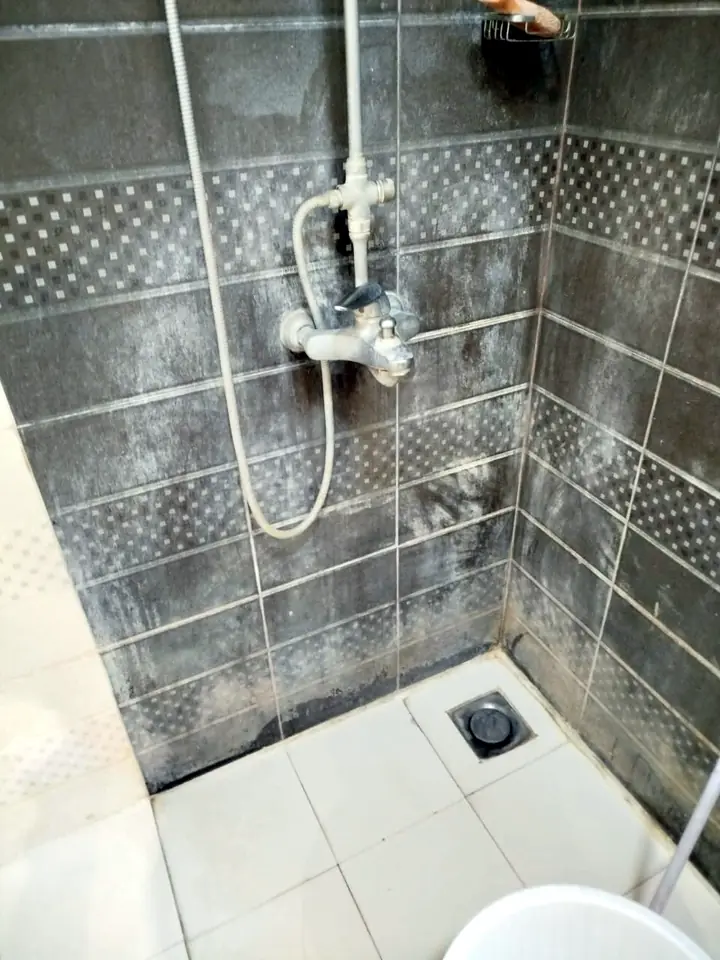
Signs Your Bathroom Is Leaking
Damp patches on the wall behind a shower, peeling paint in the room below, or loose tiles near the floor drain all point to water escaping through the bathroom floor. Bathroom waterproofing in Lahore homes stops this before it damages the structure.
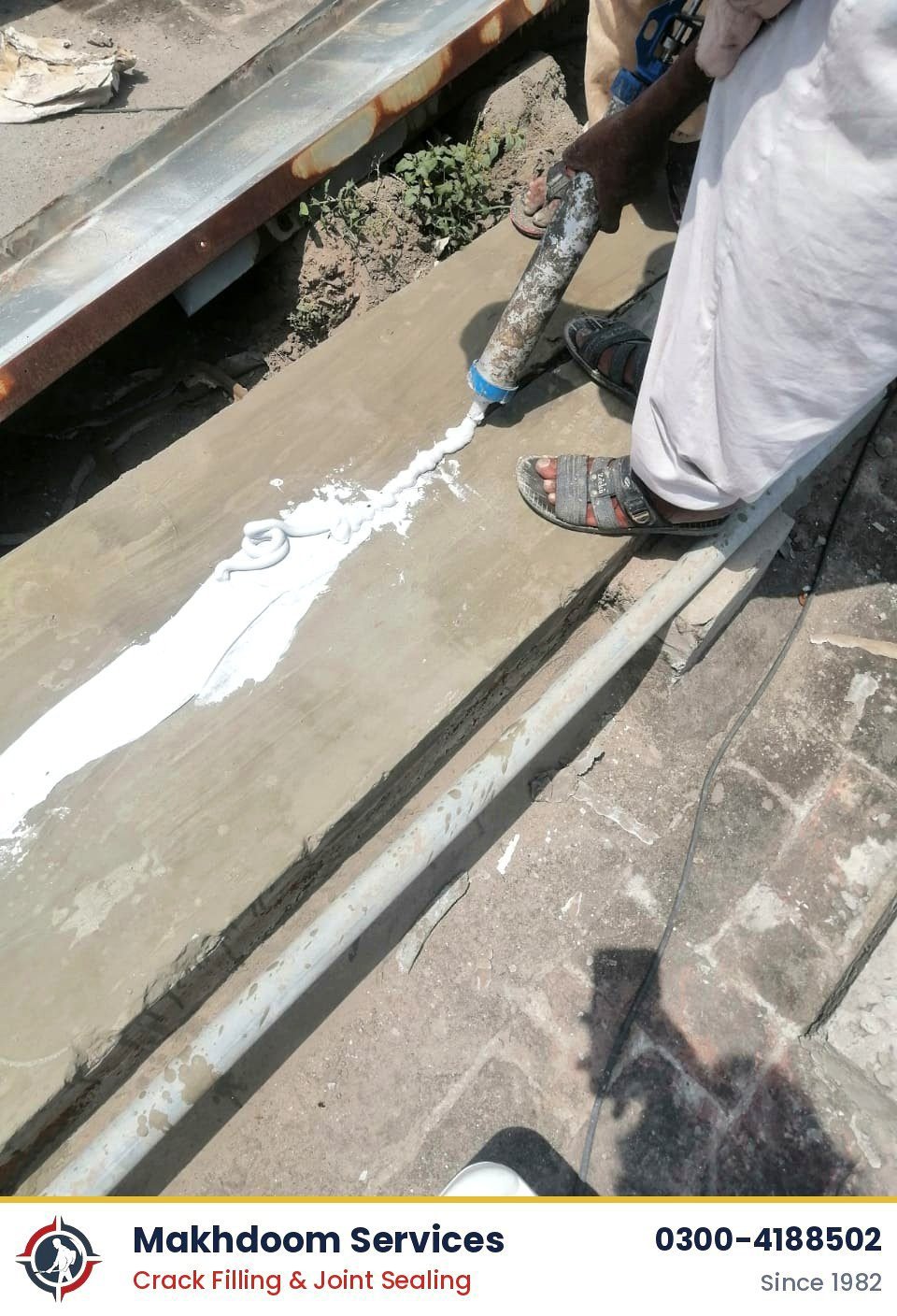

Roof leaks are covered in our roof leakage in monsoon article.
Book Bathroom Waterproofing in Lahore
If a damp patch, a stained ceiling or a musty smell has appeared near a bathroom in your home, an inspection is the sensible next step — the earlier a leak is traced, the smaller the repair. Makhdoom Services provides waterproofing services in Lahore for bathrooms, roofs, water tanks and basements. Get in touch to arrange a site visit and a written scope of work.