Termite Treatment in Lahore & Punjab | Complete 2026 Guide
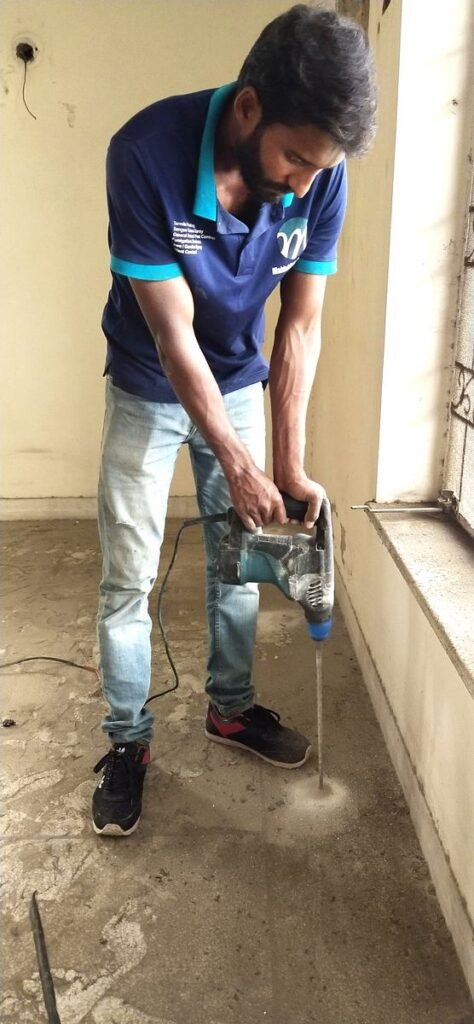
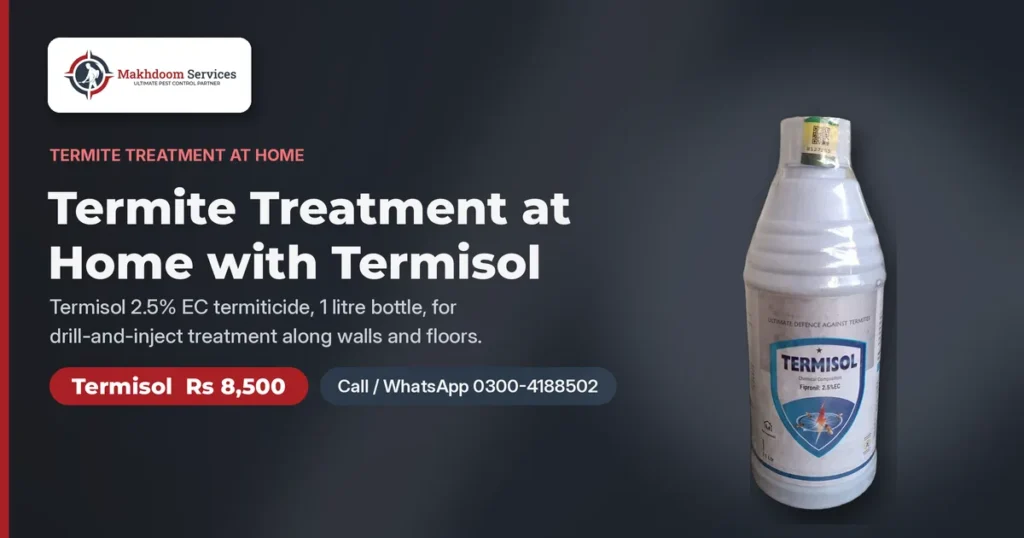
If you’re searching for reliable termite treatment in Lahore or anywhere across Punjab, you already know termites are not a rare problem — they are a seasonal certainty. Every year, as humidity rises before and during monsoon, subterranean termite colonies become more active, silently working through wooden furniture, door frames, roof timber, and even structural elements of homes and offices. By the time most property owners notice the damage, the colony has often been active for months, sometimes years. This guide is written for homeowners, facility managers, and business owners across Lahore and Punjab who want a clear, honest, and practical understanding of termite treatment — what causes infestations, how to spot them early, how modern termiticides like Fipronil actually work, and how to choose the right treatment for your property. We will also explain how Termisol, a Fipronil 2.5% EC termiticide used by Makhdoom Services, fits into a professional termite treatment program. Why Termites Are a Serious Problem in Lahore and Punjab Punjab’s climate creates near-ideal conditions for subterranean termites. Warm temperatures combined with monsoon humidity give termite colonies the moisture they need to thrive close to the soil line, right where most homes and commercial buildings have their foundations, wooden door frames, and skirting boards. Older construction across Lahore and other Punjab cities often relies heavily on timber for doors, window frames, roof trusses, and furniture — all of which are attractive termite food sources. Termites don’t announce themselves. They travel through self-built mud tubes that shield them from light and predators, which means an infestation can spread through wall cavities and foundations for a long time before any wood damage becomes visible on the surface. The financial risk is real: termite damage is one of the most common causes of costly structural and furniture repair worldwide, and unlike many other forms of property damage, it is rarely covered by standard insurance policies. This makes early detection and preventive treatment far more cost-effective than repair after the fact. How to Identify a Termite Infestation (Signs & Symptoms) Most termite infestations are discovered by accident — a homeowner leans on a door frame that crumbles, or notices a strange trail of mud along a wall. Here are the signs to actively look for, especially before and during monsoon season: If you notice even one of these signs, it’s worth scheduling a professional inspection rather than waiting — subterranean termite colonies can contain hundreds of thousands of individuals and continue expanding undetected. Types of Termites Common in Punjab Most termite problems in Punjab’s homes and commercial buildings come from subterranean termites, which live in the soil and build mud tubes to reach wood sources above ground. These are the termites most commonly targeted by liquid soil treatments like Fipronil-based termiticides, because treating the soil around a structure cuts off their access route and exposes the colony to the treatment. Drywood termites, which live entirely within the wood they consume without needing soil contact, are also found in some furniture and structural timber, though they are generally less common in the region than subterranean species. Correctly identifying which type of termite is present affects the treatment approach, which is why a proper inspection matters before any product is applied. How Termite Treatments Work: Understanding Fipronil Technology Not all termiticides work the same way, and understanding the difference helps explain why professional-grade, non-repellent products like Fipronil have become the global standard for termite control. The Science: How Fipronil Affects Termites Fipronil belongs to a chemical class called phenylpyrazoles. According to the National Pesticide Information Center (NPIC), a cooperative between Oregon State University and the U.S. EPA, fipronil works by disrupting the normal function of the central nervous system in insects. It interferes with the GABA-gated chloride channels in the insect’s nervous system, causing overstimulation that is lethal to the termite. Importantly, fipronil binds far more readily to insect nerve receptors than to those of mammals, which is why professionally applied, label-compliant treatments are considered low-risk for humans and pets when used correctly. Why Non-Repellent Termiticides Outperform Older Repellent Products Older-generation termiticides were “repellent” — termites could sense the chemical barrier and would simply tunnel around it, leaving the colony largely untouched. Fipronil-based products work differently. As global manufacturer BASF explains for its Termidor fipronil termiticide, the product is undetectable to termites, so they tunnel through treated soil without realizing it, continuing their normal behavior. This is the key to what the industry calls the “Transfer Effect.” Here’s how it works in practice: This is fundamentally different from a “spray and kill on contact” approach. It’s a colony-elimination strategy, which is why professional soil and perimeter treatment is far more effective than spot-treating visible termite trails alone Termisol: Fipronil 2.5% EC — Makhdoom Services’ Trusted Termiticide Makhdoom Services uses Termisol, a Fipronil 2.5% EC (Emulsifiable Concentrate) termiticide, as part of our professional termite treatment program. Termisol is built on the same non-repellent, transfer-effect chemistry described above, positioned under the tagline “Ultimate Defence Against Termites.” The EC (Emulsifiable Concentrate) formulation is diluted with water before application, allowing our trained technicians to apply it precisely along foundations, soil lines, entry points, and other termite access areas — the same targeted approach used in professional termite treatment programs worldwide. You can learn more about the product on our Termisol product page. Because Termisol shares its active ingredient with globally recognized, multinational-manufactured fipronil termiticides, property owners get access to proven, research-backed pest control chemistry, applied by a team with over four decades of hands-on experience treating homes and industrial facilities across Punjab. Professional vs. DIY Termite Treatment in Lahore — Which Is Right for You? It’s tempting to buy a spray bottle and treat visible termite trails yourself, and for very minor, isolated wood-boring insect issues, that might offer temporary relief. But subterranean termite colonies are almost never fully addressed by DIY spot treatment, for a few practical reasons: For an active or suspected infestation, a professional inspection and full perimeter treatment is almost always more