Why Winter Is the Right Time for Pre-Construction Termite Treatment in Islamabad
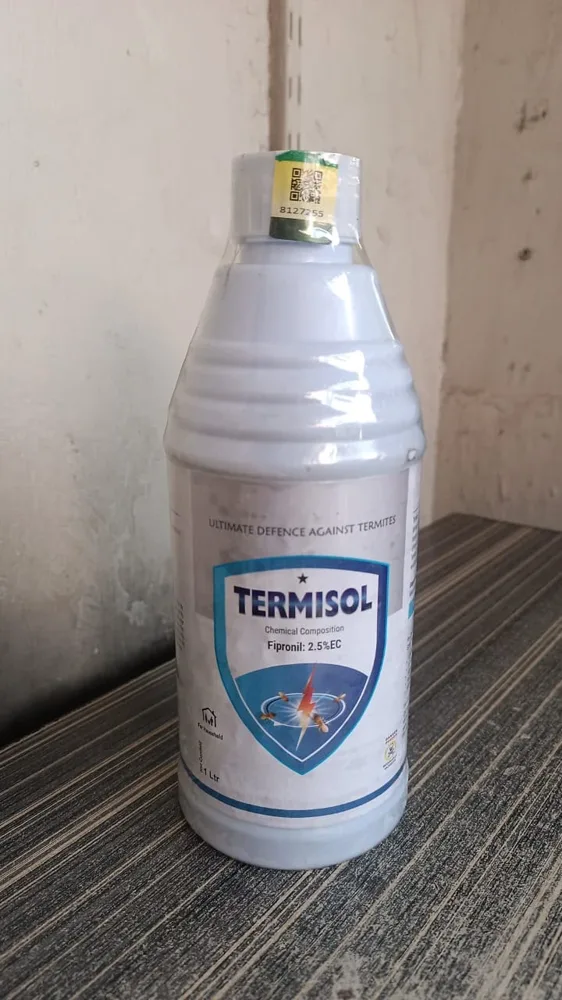
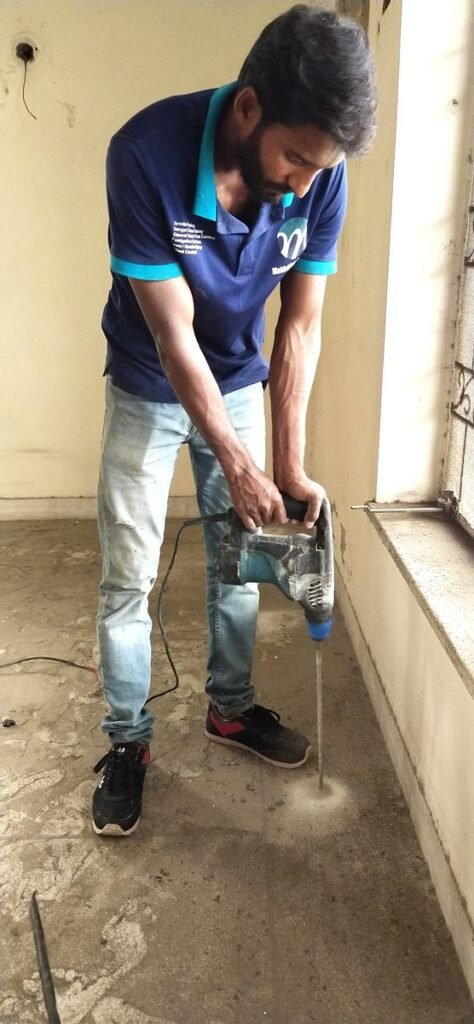
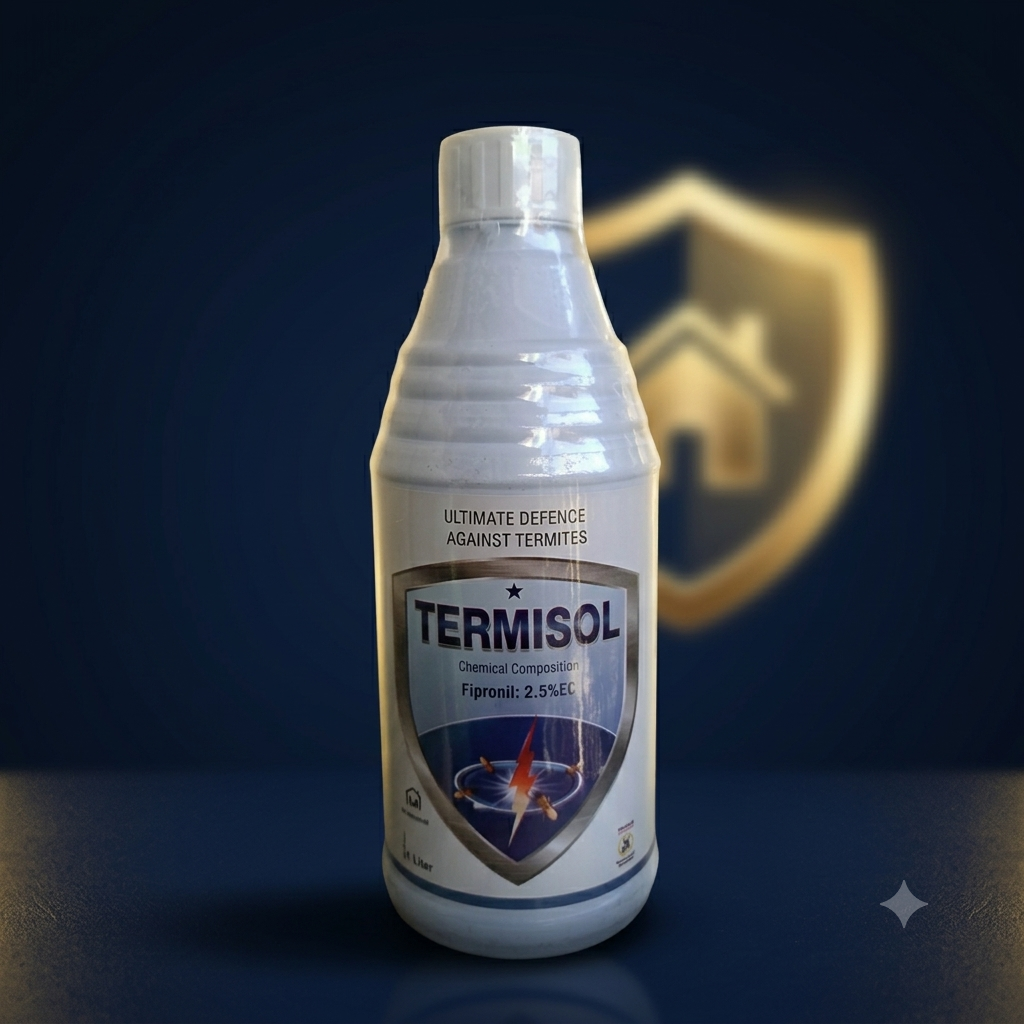
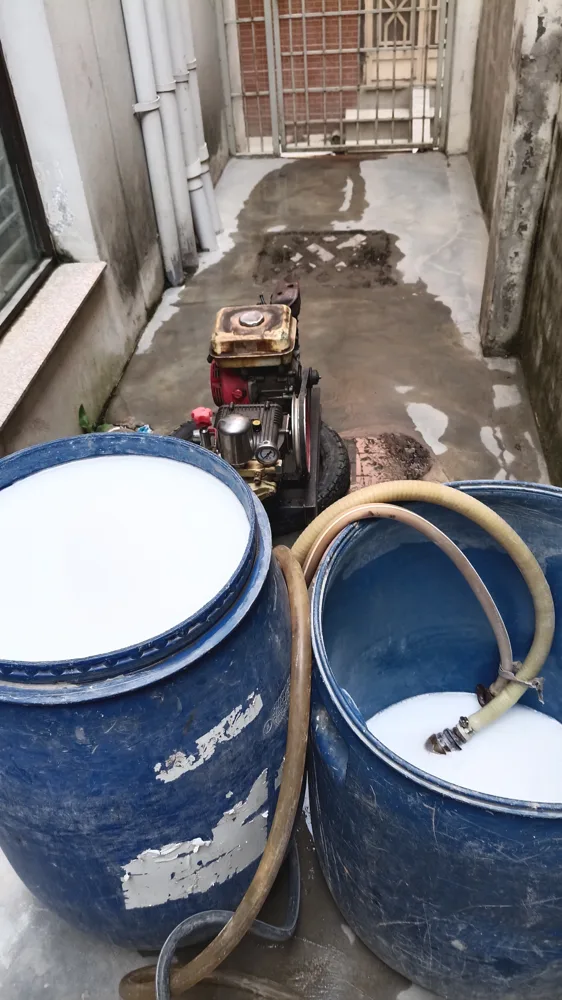
Short answer: Winter pre-construction termite treatment works well in Islamabad because the dry, settled soil of November to January soaks up the termiticide evenly, building activity is at its peak, and the barrier is in place months before the spring swarm season. Booking the three soil treatment stages while your foundation is open is the cheapest way to stop deemak from ever reaching the new house. Makhdoom Services has been Serving Since 1982, and our pre-construction termite treatment in Islamabad comes with a 10-Year Written Warranty (Pre-Construction). Across DHA, Bahria Town, Gulberg Greens, Park View City, B-17 and G-13, the cool months are when most new plots are excavated and grey structures go up. This guide explains why winter is a strong season for anti-termite soil work, what the three stages involve, how to plan them with your contractor and what to send us before the first visit. Why Winter Pre-Construction Termite Treatment Suits Islamabad Subterranean termites live in the soil around the twin cities all year. In summer and during the monsoon they forage close to the surface, and from February to April mature colonies send out winged swarmers to start new nests. Winter is the quiet window before that cycle restarts, and it lines up neatly with the main construction season. None of this means summer work fails. It means winter pre-construction termite treatment removes several of the variables that can weaken a soil barrier, which is why many builders we work with plan it this way. What the 3-Stage Termisol 25 EC Soil Barrier Involves A soil barrier only works if it is continuous. Treating the foundation alone leaves the plinth fill and floor base open, and termites simply travel around the treated band. That is why we lay the barrier in three visits, each using Termisol 25 EC diluted with water on site and applied with pressure sprayers. Stage 1: Foundation (open excavation) Once excavation is complete, the trench beds, trench side walls and column pits are drenched before any concrete or brick foundation goes in. This puts the first treated layer directly beneath the load-bearing walls. Stage 2: Plinth (backfill) As the plinth is filled, each layer of earth is wetted with the solution while it is spread, and the inner face of the plinth walls is coated. Treating layer by layer stops untreated pockets from forming inside the fill. Stage 3: Flooring (under the floor base) After compaction, a continuous film is sprayed over the whole covered area, including porch, garage and servant quarter, just before the floor base is laid. Service and conduit entry points receive extra solution because they are common termite routes. For the full method, stage photos and the areas we cover, see our main page on pre-construction termite treatment Islamabad. Planning Winter Pre-Construction Termite Treatment With Your Site Engineer Timing is what makes winter pre-construction termite treatment work. Each stage has to happen after the soil is exposed and before it is covered, so the visits follow your construction schedule rather than a fixed calendar. Overseas owners building in DHA or Bahria Town can follow each stage through photos and short videos shared on WhatsApp after every visit. Each visit is logged with its date and covered area for the warranty file. Society-by-Society Notes for New Builds Ground conditions vary across the capital. In DHA Islamabad and Bahria Town Islamabad, large plots are often cut into former scrub and farmland where old roots support established colonies. Gulberg Greens and Park View City sit near green belts that keep soil moisture higher, while B-17 and G-13 have many 5 to 10 marla houses going up side by side, and neighbouring excavations disturb colonies that then look for new food. In each case the answer is the same: book winter pre-construction termite treatment while your soil is open. If your house is already finished, soil treatment from above is no longer possible. Our termite control Islamabad service and termite control Rawalpindi service use drill-and-inject treatment for existing buildings instead. Common Winter Pre-Construction Termite Treatment Mistakes Most failures we are called to inspect come from planning gaps, not the product. Watch for these when you schedule winter pre-construction termite treatment: Getting these details right is what turns winter pre-construction termite treatment from a one-time spray into long-term protection for the family that moves in. Warranty: Pre-Construction vs Post-Construction Under both, if termites appear in a treated area during the warranty period, we re-treat the affected area free of charge. The warranty is shared on WhatsApp and as a signed paper copy. How the Cost of Winter Pre-Construction Termite Treatment Is Worked Out We do not publish a rate list, because two plots of the same size can need very different amounts of work. The quote depends on: Send your plot size, drawings or site photos on WhatsApp 03004188502 for a free estimate. If a site visit is needed, the Rs 2,000 visit charge is refunded/adjusted in your final bill when you book the job with us. Builders who prefer to buy the product can find Termisol 25 EC (Rs 9,000 per litre) on our product page, but correct dosage and full coverage at every stage are what decide how long the barrier lasts. What to Send Before the First Visit With these details we plan your winter pre-construction termite treatment, confirm the visit dates and the mix required for each stage, and share a written estimate. Winter Pre-Construction Termite Treatment: FAQs Is winter a good time for pre-construction termite treatment in Islamabad? Yes. From October to January the soil is usually dry and firm, rain interruptions are fewer and construction activity is high, so the three soil stages can be applied evenly and covered on schedule, well before the February to April swarm season. Do termites stop being active in winter? No. Subterranean colonies stay active deeper in the soil during cold months and return to the surface as temperatures rise. Treating the soil in winter means the barrier is already