
Bathroom Waterproofing in Lahore: Complete 2026 Guide
Bathroom waterproofing in Lahore explained: why bathrooms leak, membrane options, warning signs, cost factors and how to choose the right service.
Bathroom waterproofing in Lahore explained: why bathrooms leak, membrane options, warning signs, cost factors and how to choose the right service.

A complete guide to bed bug control in Lahore — how to spot an infestation, how bed bugs spread, DIY vs professional treatment, and prevention tips.
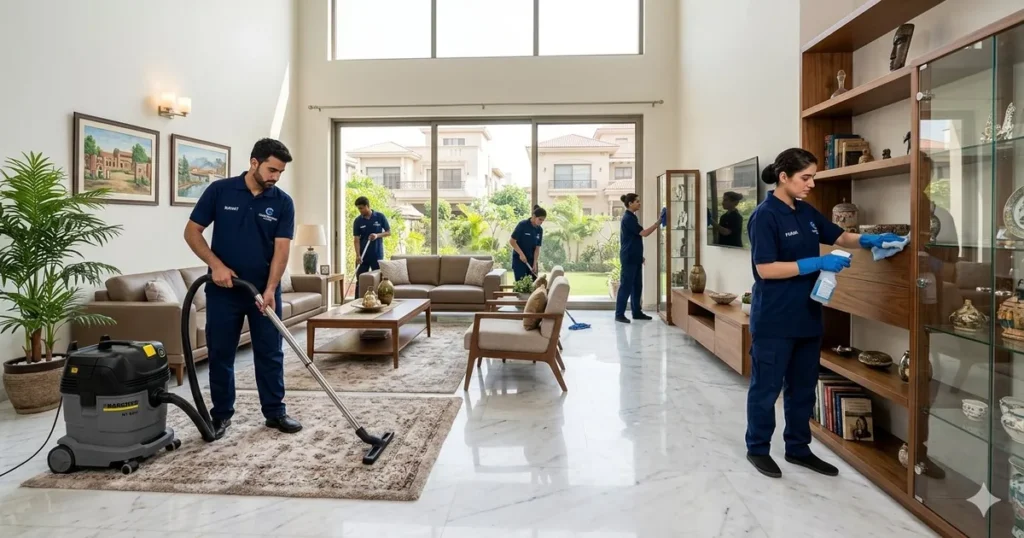
Post monsoon deep cleaning in Lahore explained: hidden moisture areas, a room-by-room checklist, mold treatment and when waterproofing is needed instead.
Signs of termite infestation in Lahore explained: hollow wood, discarded wings, mud tubes, frass and what to do before damage spreads.
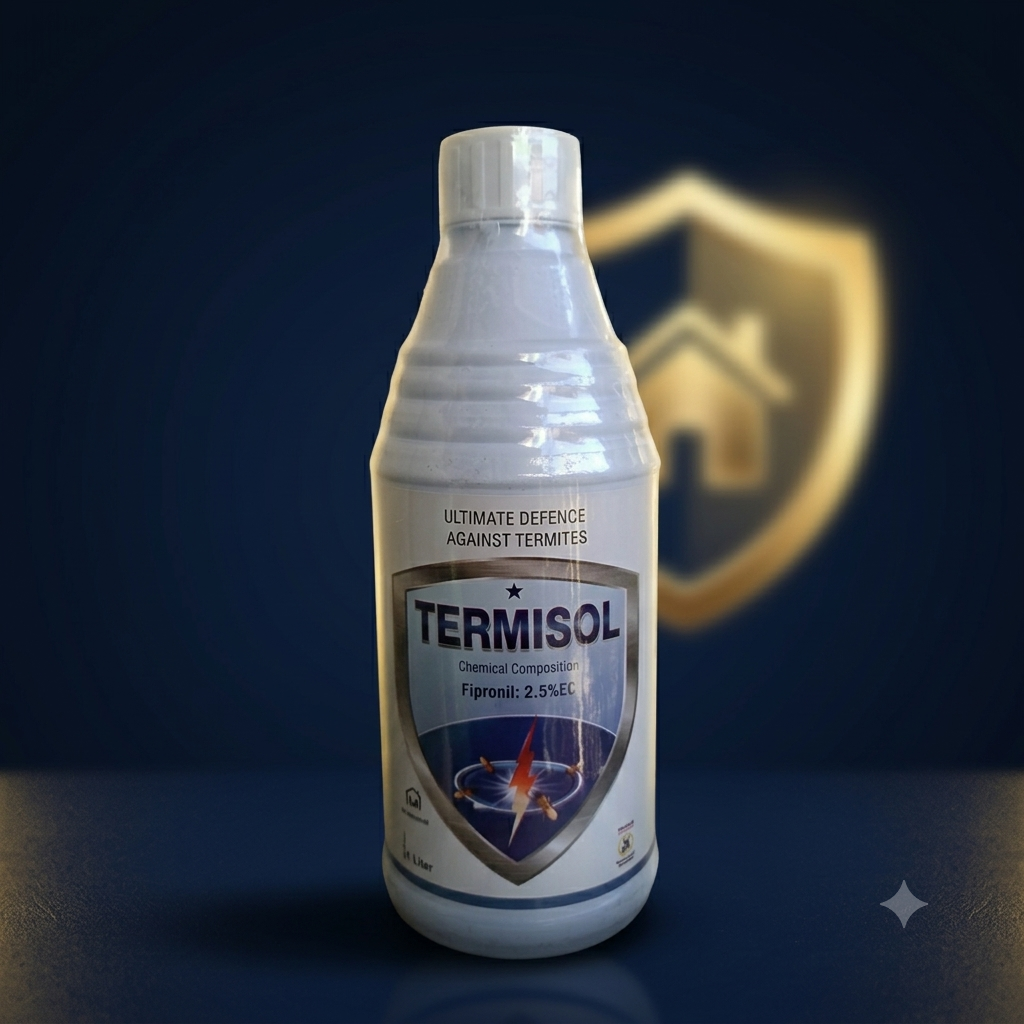
If you’re searching for reliable termite treatment in Lahore or anywhere across Punjab, you already know termites are not a rare problem — they are a seasonal certainty. Every year, as humidity rises before and during monsoon, subterranean termite colonies become more active, silently working through wooden furniture, door frames, roof timber, and even structural elements of homes and offices. By the time most property owners notice the damage, the colony has often been active for months, sometimes years. If you live in Lahore, see our dedicated termite control Lahore page for local areas, warranty terms and booking. This guide is written for homeowners, facility managers, and business owners across Lahore and Punjab who want a clear, honest, and practical understanding of termite treatment — what causes infestations, how to spot them early, how modern termiticides like Fipronil actually work, and how to choose the right treatment for your property. We will also explain how Termisol, a Fipronil 2.5% EC termiticide used by Makhdoom Services, fits into a professional termite treatment program. Why Termites Are a Serious Problem in Lahore and Punjab Punjab’s climate creates near-ideal conditions for subterranean termites. Warm temperatures combined with monsoon humidity give termite colonies the moisture they need to thrive close to the soil line, right where most homes and commercial buildings have their foundations, wooden door frames, and skirting boards. Older construction across Lahore and other Punjab cities often relies heavily on timber for doors, window frames, roof trusses, and furniture — all of which are attractive termite food sources. Termites don’t announce themselves. They travel through self-built mud tubes that shield them from light and predators, which means an infestation can spread through wall cavities and foundations for a long time before any wood damage becomes visible on the surface. The financial risk is real: termite damage is one of the most common causes of costly structural and furniture repair worldwide, and unlike many other forms of property damage, it is rarely covered by standard insurance policies. This makes early detection and preventive treatment far more cost-effective than repair after the fact. How to Identify a Termite Infestation (Signs & Symptoms) Most termite infestations are discovered by accident — a homeowner leans on a door frame that crumbles, or notices a strange trail of mud along a wall. Here are the signs to actively look for, especially before and during monsoon season: If you notice even one of these signs, it’s worth scheduling a professional inspection rather than waiting — subterranean termite colonies can contain hundreds of thousands of individuals and continue expanding undetected. Types of Termites Common in Punjab Most termite problems in Punjab’s homes and commercial buildings come from subterranean termites, which live in the soil and build mud tubes to reach wood sources above ground. These are the termites most commonly targeted by liquid soil treatments like Fipronil-based termiticides, because treating the soil around a structure cuts off their access route and exposes the colony to the treatment. Drywood termites, which live entirely within the wood they consume without needing soil contact, are also found in some furniture and structural timber, though they are generally less common in the region than subterranean species. Correctly identifying which type of termite is present affects the treatment approach, which is why a proper inspection matters before any product is applied. How Termite Treatments Work: Understanding Fipronil Technology Not all termiticides work the same way, and understanding the difference helps explain why professional-grade, non-repellent products like Fipronil have become the global standard for termite control. The Science: How Fipronil Affects Termites Fipronil belongs to a chemical class called phenylpyrazoles. According to the National Pesticide Information Center (NPIC), a cooperative between Oregon State University and the U.S. EPA, fipronil works by disrupting the normal function of the central nervous system in insects. It interferes with the GABA-gated chloride channels in the insect’s nervous system, causing overstimulation that is lethal to the termite. Importantly, fipronil binds far more readily to insect nerve receptors than to those of mammals, which is why professionally applied, label-compliant treatments are considered low-risk for humans and pets when used correctly. Why Non-Repellent Termiticides Outperform Older Repellent Products Older-generation termiticides were “repellent” — termites could sense the chemical barrier and would simply tunnel around it, leaving the colony largely untouched. Fipronil-based products work differently. As global manufacturer BASF explains for its Termidor fipronil termiticide, the product is undetectable to termites, so they tunnel through treated soil without realizing it, continuing their normal behavior. This is the key to what the industry calls the “Transfer Effect.” Here’s how it works in practice: This is fundamentally different from a “spray and kill on contact” approach. It’s a colony-elimination strategy, which is why professional soil and perimeter treatment is far more effective than spot-treating visible termite trails alone Termisol: Fipronil 2.5% EC — Makhdoom Services’ Trusted Termiticide Makhdoom Services uses Termisol, a Fipronil 2.5% EC (Emulsifiable Concentrate) termiticide, as part of our professional termite treatment program. Termisol is built on the same non-repellent, transfer-effect chemistry described above, positioned under the tagline “Ultimate Defence Against Termites.” The EC (Emulsifiable Concentrate) formulation is diluted with water before application, allowing our trained technicians to apply it precisely along foundations, soil lines, entry points, and other termite access areas — the same targeted approach used in professional termite treatment programs worldwide. You can learn more about the product on our Termisol product page. Because Termisol shares its active ingredient with globally recognized, multinational-manufactured fipronil termiticides, property owners get access to proven, research-backed pest control chemistry, applied by a team with over four decades of hands-on experience treating homes and industrial facilities across Punjab. Professional vs. DIY Termite Treatment in Lahore — Which Is Right for You? It’s tempting to buy a spray bottle and treat visible termite trails yourself, and for very minor, isolated wood-boring insect issues, that might offer temporary relief. But subterranean termite colonies are almost never fully addressed by DIY spot treatment, for a few
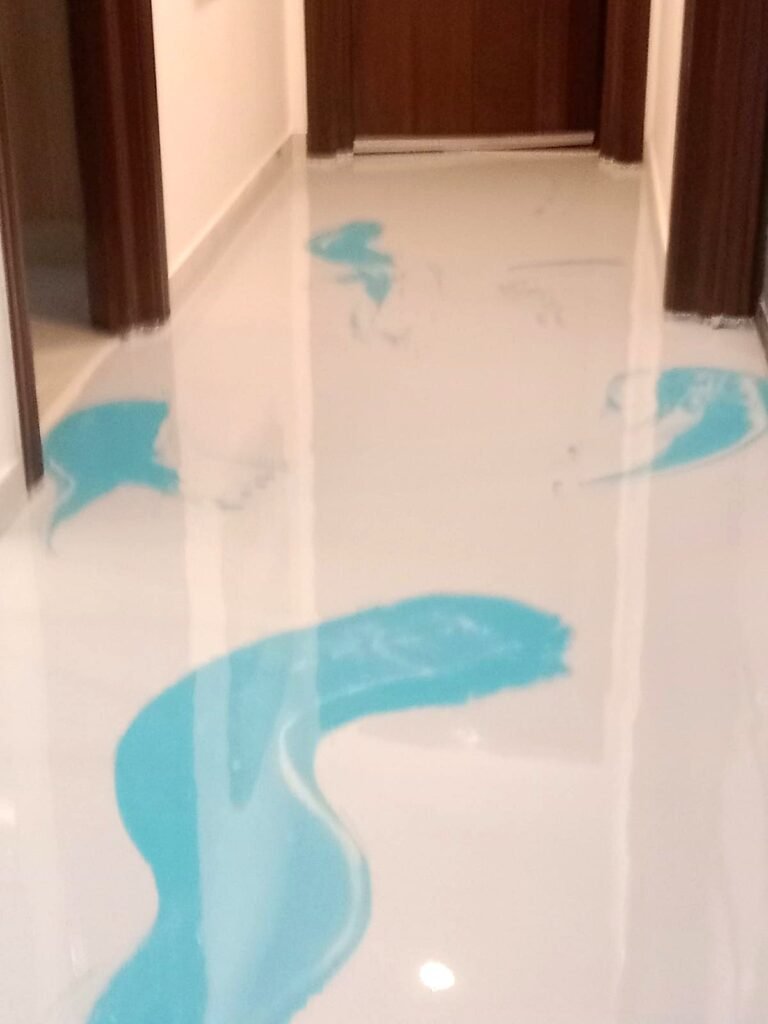
Epoxy flooring in Lahore has become one of the most popular flooring upgrades for homes, showrooms, and factories alike — combining a seamless, glossy finish with the durability to handle heavy foot traffic, spills, and even forklift movement. This guide explains how epoxy flooring in Lahore works, the different systems available, and what to expect from installation. What Is Epoxy Flooring and How Does It Work? Epoxy flooring is a resin-based coating system applied over concrete, where a hardener and resin chemically bond to create a rigid, plastic-like surface. Unlike paint, epoxy fully bonds to the concrete substrate rather than sitting on top of it, which is why it resists cracking, peeling, and chemical damage far better than standard floor paint. Types of Epoxy Flooring Systems Benefits of Epoxy Flooring for Homes, Businesses and Factories Is Epoxy Flooring Right for Your Property? Epoxy flooring suits almost any property type, but the right system depends on how the space is used. Homes and showrooms typically do well with self-leveling or decorative epoxy for aesthetics, while restaurants and commercial kitchens benefit from quartz-filled epoxy for slip resistance. Factories and warehouses need a heavier-duty solution — Makhdoom Services’ industrial epoxy flooring service uses 100% solids, forklift-rated systems engineered specifically for continuous industrial use across Punjab. What Affects Epoxy Flooring in Lahore: Performance and Lifespan The Epoxy Flooring Installation Process A typical professional installation follows these steps: Frequently Asked Questions How long does epoxy flooring last? A properly installed epoxy floor typically lasts 10 or more years for industrial settings and even longer for lighter residential or showroom use, depending on surface preparation and maintenance. Can epoxy flooring be installed over old tiles or concrete? Epoxy can be installed over properly prepared concrete, and in some cases over tile, but the surface must be ground and assessed first — uneven or loose tiles usually need to be removed for a lasting bond. Is epoxy flooring slippery? Standard glossy epoxy can be slippery when wet. For kitchens, bathrooms, and industrial areas prone to spills, a quartz-filled or textured epoxy system adds slip resistance without sacrificing durability. Caring for an Epoxy Floor Sweep grit away daily, mop with plain water or a mild cleaner, and avoid dragging heavy metal furniture. With this care, epoxy flooring in Lahore homes and showrooms keeps its shine for years. Blue marble-effect epoxy hallway Grey epoxy floor Self-levelling epoxy floor Explore finishes on our epoxy flooring services page. Get an Epoxy Flooring in Lahore Assessment Thinking about upgrading your floor? Message Makhdoom Services on WhatsApp or visit our epoxy flooring services page to arrange a site assessment for your home, showroom, or facility in Lahore.

Sofa and carpet cleaning in Lahore is about more than stain removal — sofas and carpets trap dust, allergens, food spills, and bacteria long before any stains become visible, which is why regular deep cleaning matters as much for health as it does for appearance. This guide covers how often to clean, which methods actually work, and what to expect from a professional sofa and carpet cleaning in Lahore visit. Why Regular Sofa and Carpet Cleaning in Lahore Matters Fabric upholstery and carpets act like filters, pulling dust, pollen, pet dander, and airborne pollution out of the air in your home. Over time this buildup contributes to musty odors, dust mite allergies, and visible dullness in fabric that vacuuming alone cannot remove. In Lahore’s dusty climate, sofas and carpets typically need deep cleaning far more often than in cleaner environments. How Often Should You Deep Clean Sofas and Carpets? As a general rule: Visible stains, spills, or a musty smell are signs you shouldn’t wait for the schedule — clean as soon as the problem appears to prevent it from setting into the fabric. Cleaning Methods Explained: Shampoo Wash vs Hot Water Extraction Shampoo washing works a foaming cleaning solution into the fabric to lift dirt and stains, followed by extraction of the residue — effective for general dirt and light staining. Hot water extraction, often called steam cleaning, injects hot water and cleaning solution deep into the fibers under pressure and immediately extracts it, removing embedded dirt, allergens, and dust mites more thoroughly. Most professional services in Lahore combine both methods depending on the fabric type and level of soiling, followed by fast-dry techniques so furniture is usable the same day. Signs Your Sofa or Carpet Needs Professional Cleaning DIY Maintenance Tips Between Professional Cleanings What to Expect During a Professional Deep Cleaning Visit Makhdoom Services’ sofa and carpet cleaning service in Lahore covers sofas of every size (5-seater, 7-seater, L-shape, and office seating), wall-to-wall carpets and imported rugs, mattresses, curtains, and office furniture. A trained team arrives at your doorstep with imported machines and branded shampoos, assesses the fabric and level of soiling, and applies the right combination of shampoo wash and hot water extraction. Fast-drying techniques mean most sofas and carpets are ready to use the same day. Frequently Asked Questions How long does a sofa or carpet take to dry after cleaning? With professional fast-dry methods, most sofas and carpets are dry and ready to use within the same day, depending on fabric thickness and room ventilation. Is deep cleaning safe for delicate or imported fabric? Yes, as long as the technician assesses the fabric type first and adjusts the method and solution accordingly. Always confirm with your service provider before booking if you have a delicate or antique piece. Can carpet cleaning remove pet odor permanently? Hot water extraction removes most embedded odor-causing residue, but persistent pet odor may need a repeat treatment or an odor-neutralizing solution for full results. Keeping Fabrics Fresh Between Cleans Vacuum sofas and carpets weekly, blot spills straight away instead of rubbing, and rotate cushions so they wear evenly. Professional sofa and carpet cleaning in Lahore once or twice a year then keeps fabrics looking new. Sofa shampoo wash Carpet wash and extraction Carpet cleaning team Book it through our sofa and carpet cleaning page. Book Sofa and Carpet Cleaning in Lahore Today Ready for a fresher, healthier home? Message Makhdoom Services on WhatsApp with your sofa size or carpet area for a free consultation and same-day doorstep service across Lahore.
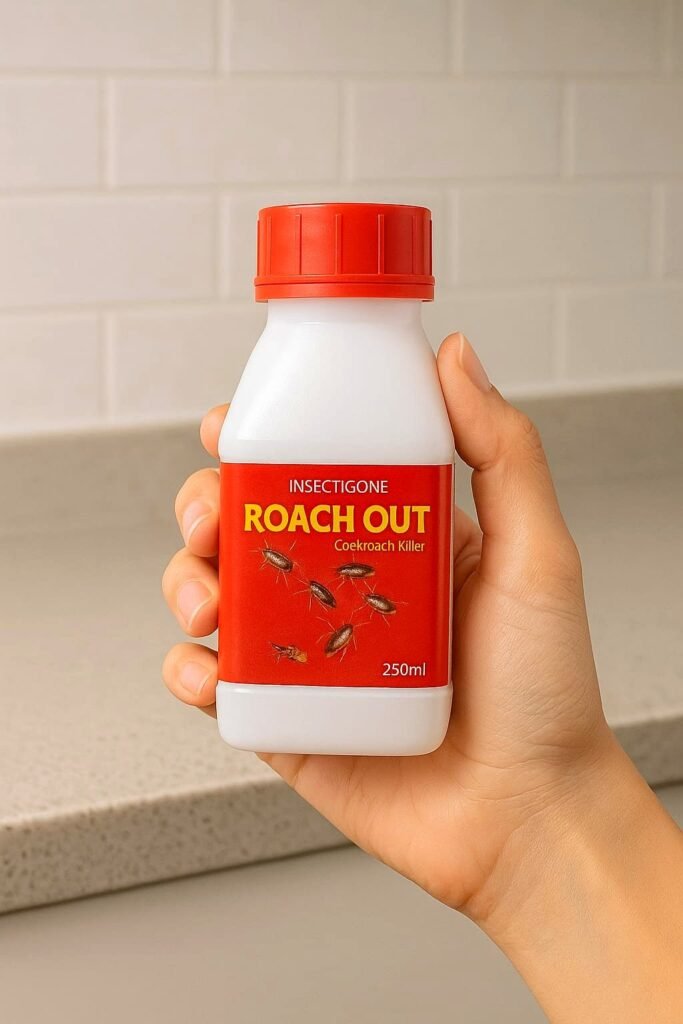
Cockroach control in Lahore is a year-round concern for homes and restaurants alike, especially in kitchens, drains, and storage areas where warmth and moisture create ideal breeding conditions. This guide explains why cockroach infestations happen, how to spot the early warning signs, and which cockroach control in Lahore methods actually work in the city’s climate. Why Cockroach Control in Lahore Homes Matters Lahore’s warm, humid climate combined with dense urban drainage systems gives cockroaches everything they need to thrive. German cockroaches and American cockroaches are the two species most commonly found in local homes and restaurants. They enter buildings through drain pipes, gaps under doors, damp kitchen cabinets, and even inside grocery bags and cardboard boxes. Once inside, they hide in dark, warm cracks near sinks, stoves, and water heaters, only coming out at night to feed on crumbs, grease, and standing water. Signs You Have a Cockroach Infestation Most infestations are noticed only after the population has already grown, since cockroaches are mainly active at night. Watch for these early warning signs: DIY Cockroach Control Tips That Actually Work Before calling in professional help, several DIY steps can reduce a mild infestation and prevent a bigger one from developing: These steps work well for small, early-stage infestations. If roaches keep reappearing within days despite consistent cleaning, the colony has likely spread into wall cavities or drains where DIY treatment can’t reach. When to Call a Professional Cockroach Control Service A professional cockroach control service becomes necessary when infestations return after DIY treatment, when roaches are visible during the day (a sign of an overcrowded colony), or in commercial kitchens and restaurants where hygiene compliance is critical. Makhdoom Services’ pest control services use targeted gel baiting, crack-and-crevice treatment, and drain treatments that reach breeding sites DIY sprays can’t access. For ongoing protection between professional visits, the Roach Out Kitchen Cockroach Killer is a practical maintenance option for kitchens and pantries. Is Cockroach Treatment Safe for Children and Pets? Modern gel baits and targeted treatments are formulated to be low-risk for households with children and pets when applied correctly, since the bait is placed inside cracks, behind appliances, and in areas away from foot traffic rather than sprayed openly across surfaces. A trained technician will advise on ventilation time and any temporary precautions needed on the day of treatment. Always ask your service provider directly about the specific products used and any precautions for your household. Frequently Asked Questions How long does cockroach treatment take to work? Gel baiting typically shows a visible reduction in roach activity within 3 to 7 days, with full control usually achieved within 2 to 3 weeks as the colony feeds on the bait and dies off. Will cockroaches come back after treatment? A single treatment can reduce activity significantly, but lasting control usually needs a follow-up visit within 2 to 4 weeks to target newly hatched roaches from egg cases that survived the first round. Can I treat a cockroach infestation myself? Minor infestations can often be managed with consistent sanitation and over-the-counter gel baits like Roach Out. Larger or recurring infestations usually require professional-grade treatment to reach breeding sites inside walls and drains. Stopping Cockroaches at the Source Fix dripping taps, seal gaps around pipes, keep food in closed containers and take rubbish out each night. Cockroach control in Lahore homes works best when these steps support gel bait or spray treatment. A thorough house deep cleaning also removes the grease and crumbs roaches feed on. Roach Out 100 ml bottle Roach Out concentrate Products used in pest management For DIY treatment, try Roach Out. Further reading: German cockroach (Wikipedia). Get Professional Cockroach Control in Lahore Dealing with a cockroach problem at home or in your restaurant kitchen? Message Makhdoom Services on WhatsApp for a free consultation and a customized treatment plan for your property.
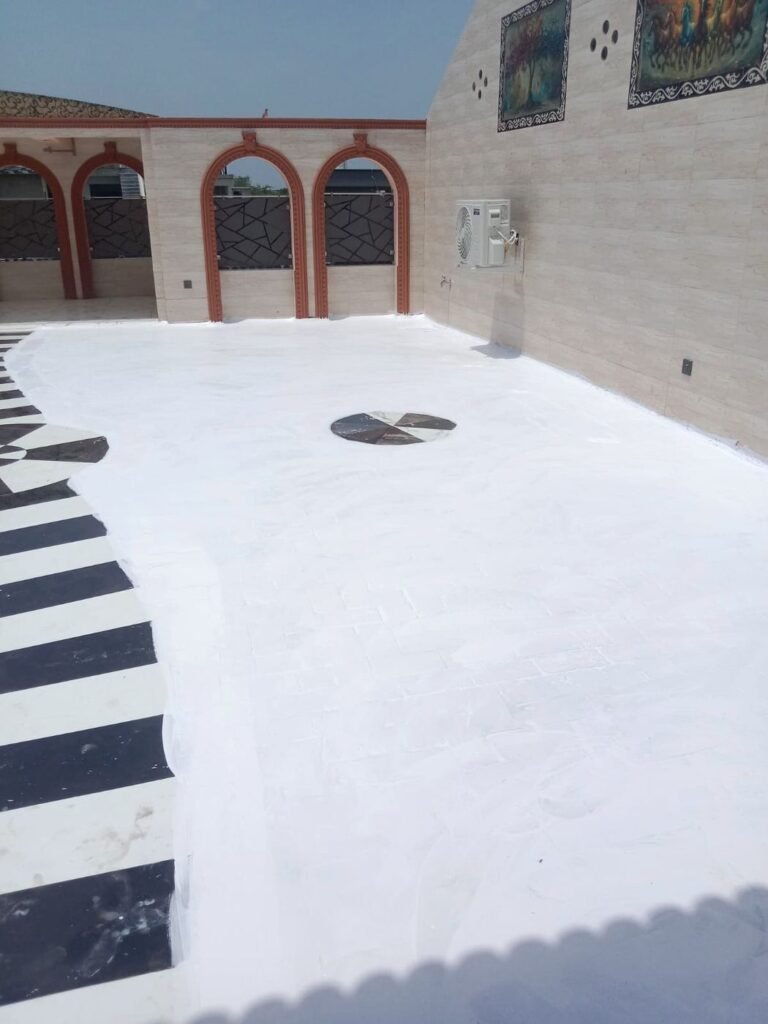
Roof leakage in monsoon needs a two-stage response: first, limit the immediate damage — move electronics and furniture away, place containers under active drips, switch off electricity to affected circuits if water is near wiring, and clear your roof drains so standing water can escape. Second, understand that the leak itself cannot be permanently fixed while the roof is wet — temporary patching rarely holds. The lasting solution is professional roof waterproofing, applied after the surface dries, which seals the cracks rainwater is finding. Here is exactly what to do, step by step. Emergency Steps: What to Do Right Now (While It’s Raining) Why Roofs Leak in Pakistan’s Monsoon Most Punjab homes have flat concrete roofs, and flat roofs collect water. During July–September, roof leakage in monsoon usually traces back to three weaknesses: Weakness What happens in monsoon Hairline cracks Concrete expands in summer heat, then contracts — small cracks open. Standing rainwater finds them within hours. Failed or aged coating Old waterproofing layers lose flexibility over the years and split at joints and corners. Blocked drainage / ponding Water that cannot drain sits on the roof for days, pushing through even minor weaknesses under its own weight. The parts of a roof that leak first are usually the joints: where the roof meets parapet walls, around water tank bases, at drain openings, and along any crack that was “repaired” with surface cement in the past. Temporary vs Permanent: An Honest Comparison Temporary patching (cement slurry, tar patches, DIY sealants) can slow a leak for weeks — sometimes a season. But patches sit on top of the problem: they don’t bond into the crack, they don’t cover the joints, and the next heat-contraction cycle usually reopens the path. If you’ve patched the same spot twice, the roof is telling you something. This is exactly why roof leakage in monsoon keeps returning to the same spot every year until the surface gets a proper waterproofing treatment. Professional waterproofing treats the roof as a system: the surface is cleaned and prepared, cracks and joints are treated first, and then a continuous waterproof layer is applied across the roof so rainwater has no entry path at all. Done properly, with careful preparation and a final quality check, that is the real difference between a patch and a solution. Our waterproofing teams serve Lahore and the twin cities — see Waterproofing Lahore and Waterproofing Islamabad for coverage details. The Right Time to Waterproof (Hint: Not Mid-Downpour) Waterproofing needs a dry surface to bond. That creates monsoon’s frustrating rule: the season that exposes the problem is the hardest season to fix it in. Booking roof leakage in monsoon repairs at the right time makes all the difference. Practical timing: What a Professional Inspection Actually Checks A proper roof inspection is not a glance at the ceiling stain. The technician traces the water’s path: the roof surface condition, all joints and parapet connections, drain openings and slopes, tank bases, and any past repair work. Water travels along slabs before it drips — so the crack is often meters away from the stain. That is why we always inspect before quoting: the visible leak and the actual problem are rarely the same size. At Makhdoom Services, the site visit costs Rs 2,000, refunded/adjusted if you book the job with us — and the quotation you receive is written, based on your roof’s actual covered area and condition. Call or WhatsApp 0300-4188502. FAQs Can a roof be waterproofed during the monsoon season? Yes, in the dry gaps between rain spells — the surface needs to be dry for the treatment to bond. Many customers book the inspection during monsoon and have the treatment done in the first suitable dry window. Why does my roof only leak in heavy rain, not light rain? Light rain drains off before it finds the cracks. Heavy rain creates standing water (ponding), and it’s the sustained pressure of pooled water that pushes through hairline weaknesses. If your roof leaks only in heavy spells, blocked or slow drainage is usually part of the problem. Is a ceiling stain always a roof leak? Not always. Bathroom seepage from an upper floor, a leaking water tank, or a cracked pipe inside the slab can create identical stains. This is exactly what an inspection separates — treating the roof when the tank is the culprit wastes the entire cost. How long does roof waterproofing last? It depends on the treatment tier, the roof’s condition, and whether the surface stays undamaged afterwards. Long life depends on the right material and careful preparation, so we inspect first, prepare the surface thoroughly and apply every coat to specification. Preparing Your Roof Before the Monsoon Clear roof drains, check for cracks around water tanks and parapets, and replace broken tiles in May or June. Most roof leakage in monsoon starts at these points, and fixing them early costs far less than repairing ceilings later. Waterproofed roof Filled joint ready for coating Roof coating being applied Read our waterproofing methods guide. Book Your Roof Inspection Monsoon inspection slots fill quickly. WhatsApp or call 0300-4188502 with your area and photos of the leak — we serve Lahore, Islamabad, Rawalpindi, and 8 more cities across Punjab. Don’t wait for the next spell — get ahead of roof leakage in monsoon before it spreads. Last Updated: July 2026
Compare pre-construction and post-construction termite treatment in Lahore, including process, cost, warranty, best timing and protection level.